
A portfolio may appear diversified on the surface while carrying hidden exposure to inflation shocks, physical disruption, and correlation breakdown. Climate risk reveals this fault line not gradually, but episodically—when market stress turns invisible exposure into visible losses.
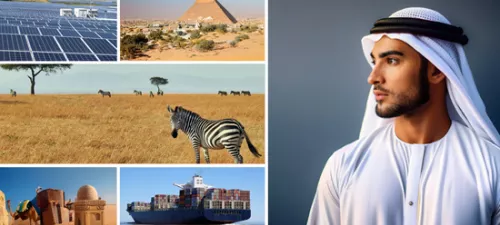
At first light in Lomé, a UAE patriarch initialed a term sheet for Togo’s largest solar park while customs agents off loaded turbine blades at the port. By lunch, US $150 million in Gulf capital was moving south. Moments like these capture a quiet—but fast accelerating—shift in South South finance that now places GCC family offices at the heart of Africa’s growth story.
As someone who's worn many hats, and now as a trusted advisor to family offices and family-owned enterprises – I've often found myself traversing the maze of Sharia-compliant and non-compliant worlds. It's like playing a financial version of "Where's Waldo," but with more spreadsheets and fewer striped shirts. Many of my colleagues from global asset management lacked a map to this unique landscape.
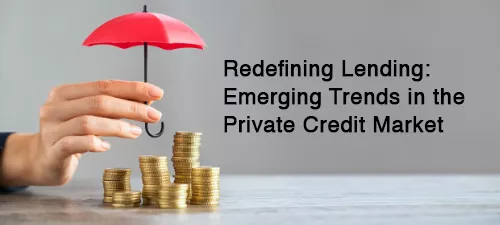
In an era where traditional banking institutions retreat to the safe harbors, tightening their sails against the gales of riskier corporate lending, a fleet of savvy navigators—family offices, along with mainstream and alternative asset managers—are charting new courses through these once-uncharted waters.
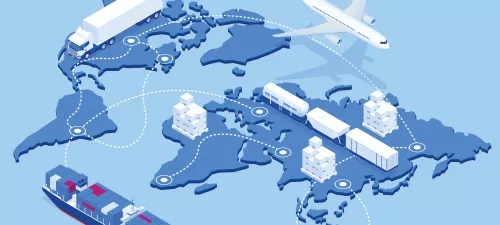
In a world that never stops moving, where the pace of commerce and technology surges forward like a relentless tide, there lies a hidden frontier. A frontier not of land or space, but of logistics and technology.
Hong Kong has a long history of tailors and getting measured for a made-to-measure or custom suit in Hong Kong used to be an attractive reason for a stopover.
The price taker is captive to the vagaries of the market and advisors versus a price maker who influences deal terms and pricing. Developing the skills and experience to confidently price private assets and transactions is vital to the success of any family office.